Dental Emergency Plano TX for Deep Cavities and Sudden Pain

A deep cavity does not usually arrive with much drama at first. It may start as a quick sting when you sip iced tea, a brief ache after sweets, or a spot you keep probing with your tongue because it does not feel quite right. Then one day the pain changes. It becomes sharper, more constant, and impossible to ignore. Eating on one side is suddenly out of the question. Sleep gets interrupted. Work feels longer. That is the moment many people start searching for Dental Emergency Plano TX care, not because they planned to, but because pain has a way of cutting through every other priority.
In practice, deep decay and sudden dental pain are among the most common urgent problems a dentist sees. They are also among the most misunderstood. People often hope the pain will settle down if they rinse with warm salt water, avoid cold drinks, or take over the counter pain medicine for a day or two. Sometimes those steps buy a little time. They do not fix the reason the tooth hurts. Once decay reaches the inner layers of a tooth, the problem rarely reverses on its own.
The good news is that urgent dental pain is treatable. The right response depends on what is happening inside the tooth, whether infection is involved, and how quickly you are seen. Deep cavities can often be managed with a filling, an inlay, a crown, or root canal therapy. In more severe cases, extraction may be the safest option. The difference between those outcomes often comes down to timing.
When a cavity becomes an emergency
Not every cavity is a true emergency. A small area of decay caught early can usually wait for a routine appointment. A deep cavity is different. Once bacteria move through enamel and dentin and get close to the nerve, symptoms become less predictable. Pain can flare without warning. Pressure from biting can become intense. Temperature sensitivity can linger for minutes instead of seconds. Infections can spread into the surrounding tissues.
One of the more telling patterns is pain that wakes you up or keeps you from falling asleep. Teeth are not subtle when the pulp, the soft inner tissue that holds nerves and blood vessels, becomes inflamed. Patients often describe it as throbbing, pulsing, or deep pressure rather than simple sensitivity. Another red flag is pain that radiates into the jaw, ear, or temple. People sometimes assume this means sinus trouble or an ear infection when the source is really a lower molar or an upper back tooth with extensive decay.
A cavity also becomes an emergency when swelling appears. Swelling in the gums, cheek, or jaw can signal an abscess, which is a pocket of infection. That deserves prompt attention, especially if it is accompanied by fever, a bad taste in the mouth, swollen lymph nodes, or difficulty opening the mouth. Dental infections do not always stay contained.
Why deep cavities hurt so suddenly
Patients are often surprised by how quickly things can escalate. A tooth that was manageable last week can become unbearable over a weekend. There is a simple reason for that. Teeth have layers, and symptoms change as decay moves inward.
The outer enamel has no nerve supply. Early decay there may not cause any pain at all. Beneath enamel sits dentin, which contains microscopic tubules that connect toward the nerve. Once decay reaches dentin, cold sensitivity and sweet sensitivity are common. When bacteria get close enough to irritate the pulp, inflammation develops in a closed space. Unlike a swollen ankle, a tooth cannot expand to relieve pressure. That makes the pain feel intense and confined.
Sometimes a piece of the weakened tooth breaks while eating, exposing a deeper area and triggering sudden pain. In other cases, a previously quiet cavity becomes infected after months of slow progression. I have seen patients come in after biting on a tortilla chip, a crust of bread, or even something as soft as a sandwich, convinced they cracked a healthy tooth. More often, the crack happened because decay had already hollowed out the structure from within.
Symptoms that should push you to call right away
A little sensitivity after ice cream is one thing. Persistent or escalating pain is another. If you are trying to decide whether you need same day or next day dental attention in Plano, these symptoms deserve a call:
- Severe toothache that does not ease with routine pain medicine
- Swelling in the gums, cheek, or jaw
- Pain when biting, especially if it feels sharp or high pressure
- A bad taste, drainage, or a pimple like bump on the gum
- Fever or feeling generally unwell along with tooth pain
Those signs do not always mean the tooth is beyond saving, but they do suggest the problem has moved past a routine cavity. Prompt evaluation matters.
What happens during an emergency dental visit
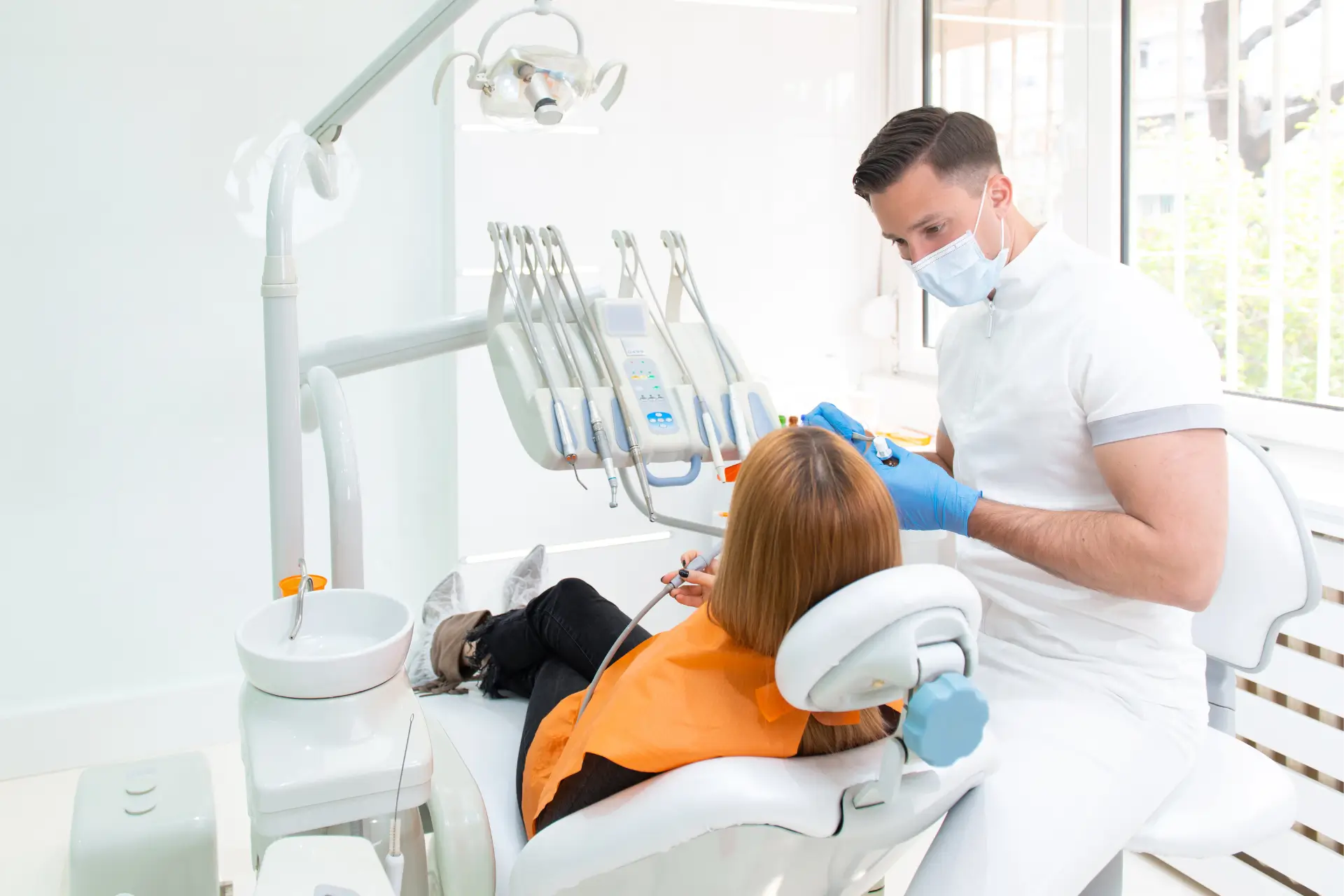
People often delay care because they assume an emergency appointment will be rushed or limited to handing out antibiotics. A good urgent dental visit is more focused than rushed. The first goal is to identify the source of pain, which is not always as obvious as patients think. Pain can refer from one tooth to another. A deep cavity on the upper arch may feel like it is coming from a lower tooth. Sinus pressure can confuse the picture. So can clenching and grinding.
A dentist will usually start with a discussion of the timing and triggers. Does cold make it worse. Does heat make it worse. Does the pain linger. Is it spontaneous. Did it start after biting something hard. Those details matter because they help distinguish reversible irritation from irreversible pulp damage, a cracked tooth, gum infection, or pressure from food packing between teeth.
X rays are usually part of the visit because they show the depth of decay, the condition around the roots, and signs of infection in the surrounding bone. They do not tell the whole story. A tooth can test terribly painful and still show only subtle changes on an X ray, particularly early in the course of pulp inflammation. That is why the clinical exam matters so much. Tapping, bite testing, temperature testing, and visual inspection all add pieces to the puzzle.
Once the cause is clear, treatment is aimed at two things, stopping pain and preventing the condition from worsening. Sometimes that means removing decay and placing a sedative filling to calm the tooth. Sometimes it means beginning root canal treatment right away. In other cases, if the tooth cannot be predictably restored, extraction is the responsible choice. This is where clinical judgment matters more than slogans.
The treatment options, and how dentists decide
There is no honest one size fits all answer for deep cavities. The best treatment depends on how much healthy tooth remains, whether the pulp is still recoverable, where the cavity sits, whether there is fracture, and what the long term outlook looks like.
If decay is deep but has not irreversibly damaged the nerve, a careful filling or indirect restoration may solve the problem. Dentists sometimes place a protective liner near the pulp in borderline cases, then build the tooth back. If a large portion of the tooth is missing, a crown may be recommended to reduce the risk of future fracture.
When the pulp is infected or too inflamed to recover, root canal therapy is often the most conservative way to keep the tooth. Contrary to old stories, modern root canal treatment is designed to relieve pain, not create it. Patients often come in tense because of something they heard years ago from a relative. The reality is that living with an untreated tooth infection is usually far worse than treating it. Once the infected tissue is removed and the inside of the tooth is sealed, the throbbing pressure typically subsides significantly.
There are cases where saving the tooth is not realistic. If decay extends too far below the gumline, if the tooth is split, or if the remaining structure is too compromised to support a restoration, extraction may be the safer route. That can be disappointing, especially for patients who hoped for a quick filling. Still, there is value in hearing a plain answer early instead of investing time and money into a tooth with a weak prognosis.
The role of antibiotics, and the common misunderstanding
A lot of people assume antibiotics are the main fix for a dental emergency. They are not. Antibiotics can be important when there is swelling, spreading infection, or certain medical risk factors, but they do not remove decay, clean an infected nerve space, or seal a cavity. At best, they can help control the bacterial load while definitive treatment is arranged.
This matters because pain often lessens briefly after a course of antibiotics, leading patients to believe the tooth is better. It usually is not. The source of infection remains. Days or weeks later the pain returns, sometimes worse than before. If you have a deep cavity causing sudden pain, the real solution usually involves treatment on the tooth itself, not medicine alone.
What you can do before you get to the office
The hours between realizing you need urgent care and sitting in the chair can feel long. There are a few sensible steps that can help reduce discomfort without making things worse:
- Rinse gently with warm salt water to clear debris and soothe irritated tissue
- Take over the counter pain medicine as directed on the label, unless your physician has told you otherwise
- Avoid chewing on the painful side and skip very hot, very cold, or sugary foods
- If swelling is visible on the face, use a cold compress on the outside of the cheek
- Do not place aspirin directly on the gum or tooth
That last point is worth emphasizing. People still try it, and it can chemically burn the gum tissue without helping the tooth.
If a piece of tooth has broken off, save it if you can, though it is not always usable. If a temporary filling from an old treatment fell out, some pharmacies carry temporary dental repair material, but this is a short bridge, not a cure. A painful deep cavity needs professional evaluation.
Why waiting can change the outcome
From a dentist’s perspective, time is often the difference between a simpler restoration and more extensive treatment. A cavity that might have been managed with a filling six months ago may now need a crown. A tooth that could have been treated with root canal therapy this week might become unrestorable after a large fracture next month.
I remember one patient who had intermittent sensitivity on a lower molar for nearly a year. It was not severe, and life was busy, so she worked around it. By the time she came in, the decay had undermined most of the chewing surface. The tooth could still be saved, but it required root canal treatment, a buildup, and a crown rather than a straightforward filling. Another patient with a similar complaint came in within days of his pain changing. His tooth looked bad clinically, but we were able to remove the decay, protect the deep area, and restore it without endodontic treatment. Teeth do not always read the textbook, but the pattern is familiar.
This is why searching for Dental Emergency Plano TX care at the first sign of severe or changing pain can save more than a day’s https://elliottheef734.lucialpiazzale.com/dental-emergenc-in-plano-tx-understanding-urgent-vs-routine-care comfort. It can preserve treatment options.
Plano patients often ask, is this pain from a cavity or something else?
That is a fair question because tooth pain is not always straightforward. Deep cavities are common, but they are not the only cause of sudden dental pain. Cracked teeth, failing old fillings, gum abscesses, partially erupted wisdom teeth, trauma from grinding, and sinus pressure can all create overlapping symptoms.
The feel of the pain offers clues. Cold sensitivity that lingers can point toward pulp irritation. Sharp pain on release after biting can suggest a crack. Dull pressure with swelling may indicate infection. Pain around the gumline between two teeth may be something as simple as food trapped under the tissue, or as complicated as a periodontal abscess. That is one reason self diagnosis online only goes so far. A deep cavity is common, but it should not be assumed without an exam.
The awkwardly shortened keyword phrase Dental Emergenc does not mean much to a patient, but the intent behind that search usually does. People are looking for immediate help, clear answers, and relief that lasts longer than the next dose of pain medicine. That is exactly what a proper emergency evaluation should provide.
What to expect after treatment
Recovery depends on what was done. After a filling for a deep cavity, the tooth may remain mildly sensitive for a short time, particularly to cold or pressure. That can be normal if the nerve was irritated but still healthy enough to recover. A well adjusted bite matters here. Even a slightly high filling can make a tooth feel bruised when chewing.
After root canal treatment, soreness in the surrounding ligament is common for a few days, especially if the tooth was very inflamed before treatment. The deep throbbing pain, however, usually improves substantially once the infected tissue is removed. If a temporary crown or filling is placed, follow up for the final restoration is important. A root canal treated back tooth left unprotected is more likely to fracture.
If the tooth is extracted, the focus shifts to protecting the site while it heals. Dentists typically review basic instructions about diet, rinsing, and activity. The next conversation is often about replacement, especially if the extracted tooth plays a major role in chewing. A missing back tooth is not just a cosmetic issue. Over time, neighboring teeth can drift and the opposing tooth can over erupt.
Preventing the next emergency without pretending life is perfect
Most people know the broad advice already, brush twice a day, floss, cut down on sugar, keep regular checkups. The challenge is not lack of information. It is consistency, timing, and dealing with the realities of work, family schedules, insurance limitations, and dental anxiety.
The patients who avoid repeat emergencies are usually not the ones with perfect habits. They are the ones who respond early when something changes. They do not wait six months to mention a tooth that started catching floss or reacting to cold. They understand that preventive visits are not about being scolded for old choices. They are a chance to catch small problems while solutions are still simple.
If you are prone to cavities, ask practical questions at your next appointment. Are the trouble spots in the grooves of molars. Along the gumline. Around old fillings. Between crowded teeth. Different patterns call for different strategies. One patient may benefit most from fluoride varnish and a prescription toothpaste. Another may need dietary counseling because frequent sipping of sports drinks is driving decay. Another simply needs a night guard because grinding keeps fracturing already weakened teeth. Prevention gets better when it is specific.
Choosing urgent care wisely in Plano
Not every office handles emergency dental pain with the same level of comfort or efficiency. If you are calling around in pain, ask whether the practice sees same day emergencies, whether they can take diagnostic X rays on site, and whether they provide definitive treatment or mainly triage. Those details matter when you are dealing with a deep cavity and do not want to spend days moving from one office to another.
A strong emergency dental team will balance speed with judgment. Fast relief matters, but so does a realistic explanation of prognosis. If a tooth can be saved, you should hear what that involves. If it probably cannot, you should hear that clearly too. The right office will also explain what is urgent now versus what can safely wait a few days, which helps patients make calm decisions under stress.
Severe pain is a message, not a nuisance
Sudden dental pain has a way of shrinking your world. Meals become a calculation. Conversations become distracting. Sleep gets lighter. People who are normally stoic start counting minutes until they can call an office. That response is not overreaction. It is the body sending a direct message that something inside the tooth has changed.
Deep cavities rarely become less complicated with time. They become deeper, more painful, and more expensive to repair. Whether the final answer is a filling, a crown, root canal therapy, or extraction, the best next step is to get the tooth evaluated while options remain open.
For anyone in acute pain and searching for Dental Emergency Plano TX, the key is not just finding someone who can see you quickly. It is finding a dentist who can identify whether the tooth is irritated, infected, cracked, or beyond repair, and who can move from diagnosis to treatment with confidence. When the pain is sharp and sudden, that combination matters far more than flashy promises.
Vitality Dental
Address: 1220 Coit Rd #106, Plano, TX 75075
Phone number: +19726454100
FAQ About Dental Emergency Plano TX
What can the ER do for a tooth?
An emergency room (ER) can manage pain and treat severe infections with medication, but it cannot fix or pull a tooth.
What is considered a dental emergency?
A dental emergency is any oral health problem that involves severe pain, uncontrollable bleeding, or an infection that threatens your health or requires immediate care to save a tooth.
Is there a 24-hour dental service in Plano, TX?
There is no physical dental clinic in Plano, Texas, that stays open with walk-in staff 24 hours a day, but several offices offer 24/7 phone support, late-night hours, or same-day emergency care.