What to Expect at Your First General Dentist Appointment

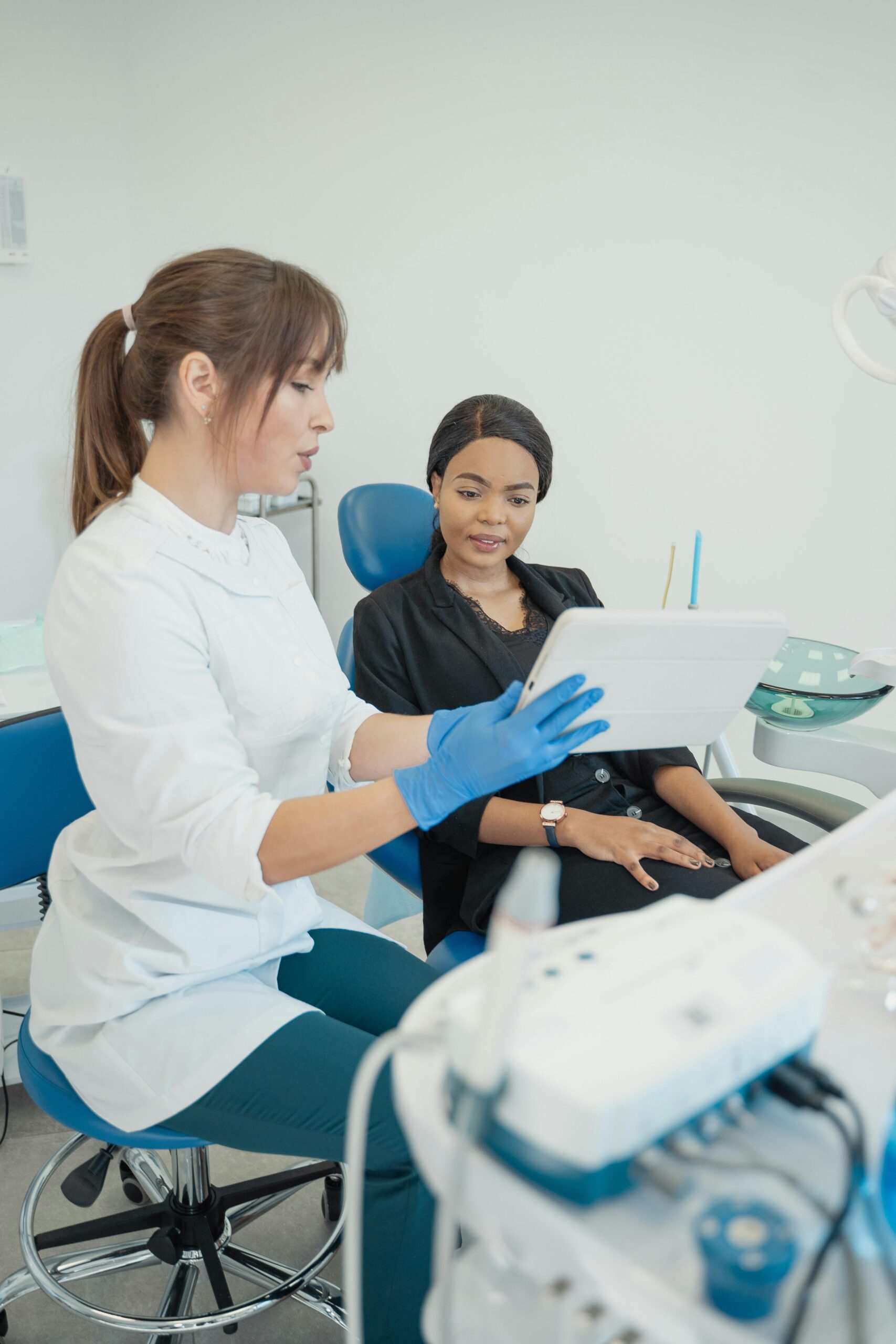
Walking into a dental office for the first time can feel oddly personal. Even people who handle medical appointments without a second thought sometimes tense up before seeing a general dentist. Part of it is the setting, bright lights, sharp instruments, someone working inches from your face. Part of it is uncertainty. If you have never had a routine adult dental visit, or it has been years since your last one, you may not know what happens first, what the dentist is looking for, or whether you are about to hear bad news.
The good news is that a first appointment is usually far more straightforward than patients imagine. In most cases, it is not about rushing into treatment. It is about gathering information, checking your oral health from several angles, and creating a plan that makes sense for where you are now. A good general dentist is trying to understand the whole picture, not just spot a cavity and move on.
That first visit tends to set the tone for your future care. If the office is organized, the team communicates clearly, and the exam feels thorough without being overwhelming, people usually leave with a sense of relief. They know what needs attention, what can wait, and what they can do at home to stay ahead of bigger problems.
Before you sit in the chair
Most dental visits begin before you enter the treatment room. You will usually be asked to complete health history forms, either online ahead of time or at the front desk. This part matters more than many patients realize. A general dentist needs to know not only about your teeth, but also about medical conditions, medications, allergies, surgeries, pregnancy status, and habits such as tobacco use.
Certain common medications can reduce saliva flow, which raises the risk of decay. Diabetes can affect gum health and healing. Acid reflux can wear down enamel over time. Blood thinners may shape how the office plans certain procedures. Even something as ordinary as frequent snacking or sports drinks can help explain a pattern of sensitivity or cavities.
If you have dental insurance, the office may also verify benefits before the appointment, though benefit estimates are not the same as guarantees. Patients are often surprised by that distinction. A practice can tell you what your plan appears to cover, but final payment is determined by the insurer after the claim is processed. That is one reason good offices are careful with their wording.
Bring a current medication list if you take several prescriptions and cannot recall them easily. If you have recent dental X-rays from another office, ask whether they can be transferred. That may save time, reduce repeat imaging, and give the new dentist a useful point of comparison.
The first few minutes matter more than people think
Once you are called back, a dental assistant or hygienist will usually start by reviewing your forms and asking what brought you in. Sometimes the answer is simple. You are due for a cleaning. Sometimes there is a specific concern, like bleeding gums, a chipped tooth, bad breath, or sensitivity to cold drinks. Mention it early. Small details help the team know where to focus.
This is also the moment to be honest about dental anxiety. You do not need to put on a brave face. Offices hear this every day. When patients say, “I get nervous with X-rays,” or “I have not been in years and I am embarrassed,” it actually makes the visit easier. The staff can slow down, explain each step, and adjust the pace.
A first visit can feel surprisingly conversational. Good clinicians ask practical questions that may seem unrelated at first. Do you clench your jaw? Wake up with headaches? Breathe through your mouth at night? Grind your teeth? Drink a lot of coffee? Use whitening products? Had orthodontic work as a teenager? Each answer adds context. Teeth tell a story, but the patient often provides the missing chapters.
X-rays are common, but not automatic in every situation
For many first appointments, dental X-rays are part of the visit. They help the general dentist see what is happening between teeth, under fillings, below the gumline, and around the roots, areas that cannot be evaluated fully with the naked eye. If it has been a long time since your last visit, or if old films are unavailable or outdated, new images are often recommended.
That does not mean every person gets the exact same set. A new patient with no symptoms may need a standard series appropriate for diagnosis and routine care. Someone with pain in one tooth might need a more targeted image. If you are pregnant or think you may be, mention it before imaging begins. Dental offices follow safety protocols, and the dentist can decide what is necessary and what can wait.
Patients sometimes worry that X-rays are just a routine upsell. In practice, they are one of the most useful diagnostic tools in general dentistry. Many early cavities, bone changes, and hidden infections do not cause pain right away. By the time a problem becomes obvious without imaging, it is often larger, more expensive, and harder to treat.
What the general dentist is actually checking
The exam itself is broader than many people expect. A general dentist is not only checking for cavities. The appointment usually includes an assessment of the teeth, gums, bite, jaw joints, soft tissues, and existing dental work. In a thorough practice, this can feel methodical rather than rushed.
The dentist will often count existing restorations, note worn areas, inspect fillings and crowns for leakage or fractures, measure gum pockets directly or review periodontal findings from the hygienist, and examine the tongue, cheeks, floor of the mouth, and roof of the mouth. They may also palpate the jaw muscles and ask whether you hear clicking or feel tension when chewing.
Some parts of the exam are quick but important. An oral cancer screening, for example, may take only a minute or two. That does not make it trivial. Experienced dentists know that subtle tissue changes can be easy for patients to miss. Early detection matters.
A bite evaluation can also be revealing. I have seen many patients assume they simply have “sensitive teeth,” when the real issue turned out to be grinding or uneven bite pressure wearing away enamel near the gumline. Others thought they had a cavity because one tooth hurt with cold water, but the problem was a crack, a receding gumline, or sinus-related pressure. The first appointment is often when those assumptions get sorted out.
The cleaning may happen that day, but not always
A common misunderstanding is that every first dental appointment automatically includes a cleaning. Sometimes it does. Sometimes it does not, and that is not necessarily a red flag.
If your gums are generally healthy and the schedule allows, a routine cleaning may be completed during the same visit. If there is significant tartar buildup, active gum disease, or uncertainty about the appropriate type of cleaning, the office may separate the exam from hygiene treatment. In that case, the dentist may first diagnose your gum condition, then recommend the right next step. That could range from a standard prophylaxis to a deeper periodontal cleaning.
This distinction frustrates some patients because they expected to leave with polished teeth that day. But it is usually a sign of proper diagnosis. A general dentist should not guess when your gum health needs closer evaluation. A standard cleaning is intended for relatively healthy mouths. If the gums are inflamed, pocket depths are elevated, or deposits extend below the gumline, more involved treatment may be necessary.
If the cleaning is done at the first visit, you can expect the hygienist to remove plaque and tartar, polish the teeth, and often floss thoroughly. Some patients notice a little tenderness or mild bleeding, especially if it has been a while. That usually improves quickly once the gums are no longer inflamed and home care becomes more consistent.
You may hear terms that sound more alarming than they are
Dental language can be unnerving when you are hearing it for the first time. “Watch area,” “incipient decay,” “pocketing,” “occlusal wear,” and “decalcification” all sound serious, but they do not always mean immediate drilling or urgent treatment. A thoughtful general dentist usually separates what needs action now from what should be monitored.
A small area of early enamel change may be something to strengthen with fluoride, better brushing, and dietary changes rather than a filling. Mild gum inflammation may respond well to improved home care and regular professional cleanings. A cracked filling may need replacement soon, but not necessarily that afternoon.
This is where judgment matters. Some dentists are more conservative, preferring to monitor borderline findings until there is clearer evidence that treatment is necessary. Others intervene earlier to prevent progression. Neither approach is automatically right or wrong in every case. Much depends on your risk factors, your past history of decay, the location of the issue, and whether follow-up is likely. Someone who attends appointments reliably every six months can safely monitor certain small changes more easily than someone who tends to disappear for five years at a time.
Questions worth asking during the visit
If you are unsure what the dentist found, ask directly. Patients often nod through the explanation and then leave without understanding whether they have one minor issue or a full treatment plan. Most dentists would rather answer a clear question than have you go home confused.
A few useful questions can keep things grounded:
- What needs to be treated now, and what can be monitored?
- Are there X-ray or exam findings you can show me?
- If I wait on this treatment, what is the likely risk?
- Is this problem caused by hygiene, bite, diet, or age of old dental work?
- What should I change at home before my next visit?
Those questions usually lead to better conversations than asking only, “Do I have cavities?” Oral health is more nuanced than that. Sometimes the biggest issue is gum disease. Sometimes it is clenching. Sometimes it is repeated breakdown around old fillings done twenty years ago. Sometimes everything looks stable and the main goal is simply maintenance.
If treatment is recommended, expect a plan, not pressure
At the end of the appointment, the office will often review findings and next steps. If no treatment is needed beyond routine recall, that is easy enough. If there are concerns, you may receive a written plan listing procedures, estimated fees, and possible scheduling options.
This is the stage where patients are most likely to feel overwhelmed, especially if they have postponed care and several issues surfaced at once. A seasoned general dentist will usually prioritize. They know not every problem has equal urgency. A painful broken tooth, active decay approaching the nerve, or infection gets moved to the top. Cosmetic concerns, old restorations that are still functional, or small areas being watched may be scheduled later.
That prioritization can make a large treatment plan feel manageable. Few people are eager to hear they need multiple visits. But it is easier to proceed when the logic is clear. Handle pain and disease first, stabilize what is failing, then move into longer-term maintenance or elective work.
If finances are a concern, say so. Offices deal with this constantly. They may be able to phase treatment over time, help you use insurance benefits strategically, or discuss payment options. What helps least is silence. I have seen patients disappear after a first exam because they assumed they had to do everything immediately, when the dentist would have been perfectly comfortable breaking the plan into stages.
What a normal first appointment often feels like
Every office has its own pace, but a typical first visit has a fairly predictable rhythm. You check in, complete or confirm paperwork, get called back, review your health history, take X-rays if needed, have the exam, and either receive a cleaning or discuss when hygiene treatment should happen. Most appointments run somewhere around an hour, sometimes shorter, sometimes longer if imaging, consultation, or periodontal assessment is more involved.
Here is what many patients notice afterward:
- Their mouth feels cleaner, or at least clearer, about what is going on.
- The exam was more comprehensive than expected.
- The discomfort was usually mild and brief, not constant.
- The biggest stress came from uncertainty before the visit, not the visit itself.
- Having a plan reduced a lot of background worry.
That last point is easy to underestimate. Many people carry low-grade dental dread for months or years. Once they finally see a general dentist and hear, “Here is what we found, here is what matters most, here is how we fix it,” the fear loses some of its force.
If you have been avoiding the dentist for years
This deserves its own section because it is so common. Patients who have delayed care often expect judgment, lectures, or worst-case scenarios. In a well-run practice, that is not what happens. The staff has seen everything from spotless mouths to extensive neglect, and their job is to help you move forward, not make you relive what you should have done sooner.
That said, long gaps do create unknowns. The first visit may uncover more than one issue. You might need updated X-rays, a more detailed gum evaluation, replacement of aging dental work, or follow-up visits to address active disease. It can feel like a lot on paper. But dentistry is usually most manageable when handled one piece at a time.
The smartest approach is to focus on the next necessary step, not the entire hypothetical future. If all you do at first is establish care, get a diagnosis, and schedule the highest-priority treatment, that is progress. Waiting rarely makes dental problems simpler or cheaper.
Small practical details that make the visit easier
A few habits can make your first appointment smoother. Try not to arrive dehydrated, since a dry mouth can make you feel less comfortable during the exam. Brush beforehand if possible, not because the office expects perfection, but because you will simply feel better. If you are prone to anxiety, avoid stacking https://devinkbuy139.publishlane.com/posts/top-benefits-of-having-a-family-general-dentist the appointment between two stressful obligations so you are not watching the clock the whole time.
If sound is what bothers you, ask whether you can wear one earbud during the cleaning portion. Some offices allow it. If reclining triggers discomfort because of neck or sinus issues, mention that early. Most chairs can be adjusted. These are small accommodations, but they change the experience.
For parents bringing a teenager or for adults scheduling after a long lapse, another practical point matters: the first appointment is not a performance test. You do not need to explain every missed cleaning from the past decade. You need accurate information, a complete exam, and a workable plan.
How to tell you have found a good general dentist
Patients often ask what separates a solid first visit from a mediocre one. It is rarely fancy equipment alone. The strongest signs are more human than technical. The dentist explains what they see in plain language. The office distinguishes between urgent treatment and monitoring. The staff does not shame you for the condition of your teeth. Costs are discussed clearly. Questions are answered without defensiveness or haste.
You should also feel that the recommendations fit the findings. If a general dentist says you need treatment, they should be able to show you why, whether through images, X-rays, clinical photos, or a clear chairside explanation. Trust grows when patients can connect the recommendation to something concrete.
A first visit is not just the office evaluating your mouth. You are evaluating the office, too. If the communication feels rushed, the diagnosis feels vague, or the plan sounds generic, it is reasonable to pause and ask for clarification. Dental care works best when the relationship is steady and transparent.
What happens after you leave
The appointment does not end when you stand up from the chair. If your exam was routine, the office will usually set your next recall, often six months out, though some patients need shorter intervals depending on gum health and risk factors. If treatment was recommended, you may schedule one or more follow-up visits before you leave.
You may also get specific home care instructions. These could involve a softer brushing technique, a prescription fluoride toothpaste, daily flossing around a problem area, a night guard consultation, or advice about acidic beverages and snacking frequency. These recommendations are not filler. In many cases, the habits between appointments determine whether early problems stabilize or progress.
For some patients, the biggest change after a first visit is psychological. They stop guessing. They know whether that dark line is a stain or a cracked filling. They know whether the bleeding they noticed is minor irritation or a sign of gum disease. They know whether sensitivity is expected or worth treating. That clarity alone can make the next appointment much easier to schedule and keep.
Your first general dentist appointment is usually less about dramatic procedures and more about orientation. Where does your oral health stand today? What is healthy, what is vulnerable, and what should happen next? Once those questions are answered clearly, most people find the process becomes far less intimidating than they feared.
Smyle Dental Bakersfield
Address: 2016 E St, Bakersfield, CA 93301
Phone number: +16614939040
FAQ About General dentist
What does it mean by general dentist?
A general dentist is your primary dental care provider. They focus on the overall prevention, diagnosis, and treatment of your daily oral health needs. Think of them as your primary care doctor, but for your teeth and gums.
What is the difference between a dentist and a general dentist?
A dentist is a broad professional title for any licensed oral healthcare provider, while a general dentist is a specific type of primary care dentist who focuses on routine, preventive, and everyday treatments.
What is the difference between a dentistry practitioner and a dentist?
A dentist is a licensed doctoral-level healthcare professional, whereas a dental practitioner is a broader umbrella term that can include dentists as well as other trained oral health professionals.